Table of Contents
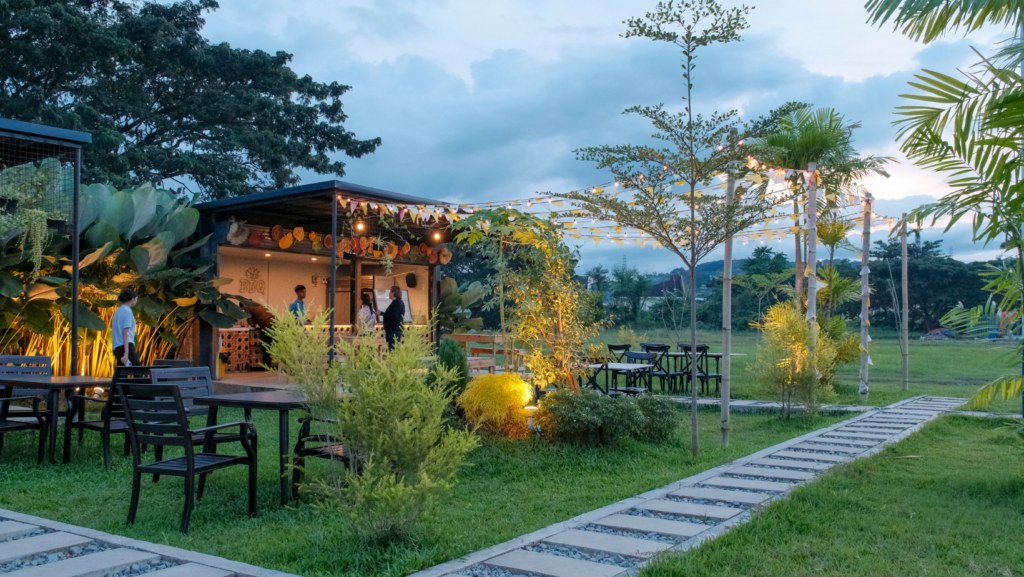
ToggleOutdoor dining is a core part of hospitality operations in the United States. Restaurants, breweries, and cafes use patios, sidewalks, rooftops, and courtyards to expand seating capacity and improve customer experience. These spaces must remain functional under changing weather conditions, especially rainfall, which affects safety, comfort, and service continuity.
Managing rain in outdoor dining areas requires coordinated planning across drainage design, surface grading, and material selection. These systems work together to prevent water accumulation and maintain usability during wet conditions.
Surface Drainage Systems in Outdoor Dining Areas
Surface drainage systems are the primary method for controlling rainfall in commercial outdoor dining environments. Their purpose is to capture water before it spreads across seating and walking areas.
In most U.S. commercial projects, drainage is integrated into the physical layout of patios and walkways. The system is typically built around collection points that guide water into underground infrastructure.
Key components include:
- Channel drains placed along edges and walkways to collect surface water
- Catch basins positioned in low areas where water naturally accumulates
- Grated covers that allow foot traffic while still collecting runoff
- Underground piping systems that transport water away from the site
These components work together as a single system. Their effectiveness depends on correct sizing and placement based on expected rainfall intensity and surface area. When designed properly, they prevent visible pooling in active dining zones.
Grading and Slope Design for Water Control
Grading determines how water moves across outdoor dining surfaces before it reaches drainage systems. In U.S. commercial construction, outdoor areas are built with controlled slopes that direct water away from seating and toward collection points.
Proper grading ensures that water does not remain in high traffic areas where guests are seated or staff are moving. Instead, it flows toward designated drainage zones where it can be safely collected and removed.
Surface materials such as concrete pavers and stone systems are often selected because they maintain structural stability while allowing controlled water movement across the surface. These materials also help reduce drying time after rainfall, which restores usability more quickly.
Underground Drainage and Stormwater Management Systems
Once water is collected at the surface, it is transferred into underground drainage systems. These systems are responsible for moving water away from the property and preventing saturation in outdoor dining areas.
Underground systems typically use perforated pipes surrounded by gravel layers. This design allows water to move efficiently while filtering debris and reducing blockage risk. In landscaped environments, French drain systems are often installed to manage subsurface water and protect seating areas and structural foundations.
In commercial outdoor dining environments in the United States, drainage infrastructure is often supported by established manufacturers such as NDS, which specializes in drainage products designed for surface water control, catch basins, and channel drainage systems used in both residential and commercial applications.
These drainage systems also work alongside surrounding landscape infrastructure that includes irrigation systems and products. Proper coordination between irrigation and drainage design ensures that landscaped areas receive controlled water delivery while excess runoff is efficiently directed away from dining and pedestrian zones.
These systems are especially important in urban environments where rainfall must be removed quickly to avoid disruption in high traffic hospitality spaces.
Material Selection for Wet Environment Performance
Material selection plays a direct role in safety and durability in outdoor dining environments exposed to rain. Surfaces must remain stable, resist water damage, and maintain traction when wet.
Common materials used in U.S. outdoor dining spaces include concrete, textured stone, and treated wood. These materials are selected based on performance under wet conditions rather than appearance alone.
Important performance factors include:
- Surface traction to reduce slip risk during rainfall
- Resistance to water absorption and surface degradation
- Structural stability under repeated moisture exposure
- Compatibility with drainage slope design
In many commercial installations, protective coatings are added to improve water resistance and extend surface lifespan.
Operational Design and Rain Response Strategies
Physical drainage systems are only part of how outdoor dining spaces remain functional during rainfall. Operational planning also plays a key role in maintaining safety and service continuity.
Restaurants often adjust seating layouts during rain events to move guests away from exposed areas. Covered structures and partial roofing systems are commonly used to protect high traffic zones. Staff also adjust movement patterns to avoid wet surface congestion and maintain safe service flow.
These operational strategies work alongside drainage infrastructure to ensure that outdoor dining spaces remain usable during changing weather conditions.
The Role of Drainage in Outdoor Dining Performance
Drainage design directly affects how usable and reliable an outdoor dining space remains throughout the year. When water is properly managed, seating areas stay accessible, walking paths remain safe, and service operations continue without interruption.
Poor drainage leads to water accumulation, reduced seating capacity, and higher maintenance demands. Over time, this affects both operational efficiency and customer experience in hospitality environments.
Effective drainage supports consistent performance by maintaining dry, safe, and functional outdoor spaces even during rainfall events.
Final Overview on Drainage and Outdoor Dining Efficiency
Outdoor dining spaces in the United States rely on coordinated drainage systems, surface grading, and material selection to manage rainfall effectively. Channel drains, catch basins, underground piping systems, and controlled slope design work together to regulate water flow and maintain safe operating conditions.
When these systems are properly designed and integrated, outdoor dining areas remain functional during rainfall events. This allows hospitality venues to maintain service continuity and preserve the usability of their outdoor spaces throughout changing weather conditions.