Table of Contents
ToggleThe definition of “luxury” in Dubai has undergone a radical transformation. In the early 2020s, a luxury apartment was defined by marble floors, a gold-leaf lobby, and perhaps a view of the Burj Khalifa. But as we move through 2026, the global elite are no longer just buying square footage; they are buying “time,” “wellness,” and “community.”
With Dubai’s wider metropolitan population surpassing 5 million, the most sought-after areas for luxury apartment purchases are increasingly determined by specific lifestyle demands: the rise of branded residences, the “wellness-first” architecture, and the necessity of “walkable urbanism.”
TL;DR: The Lifestyle Shift
- Wellness & Scarcity: Waterfront locations like Jumeirah Bay Island and Palm Jumeirah remain the gold standard, driven by a demand for “blue space” and limited supply.
- Branded Residences: High-net-worth individuals (HNWIs) are flocking to Business Bay and Downtown Dubai, where brands like Bugatti and Pagani offer turnkey luxury and prestige.
- Family-Centric Luxury: Areas like Dubai Hills Estate are winning over families who prioritize green “wellness” corridors and school proximity over skyscraper density.
- 2026 Outlook: Capital appreciation is moderating to a healthy 5-8%, making it a “buyer’s market” for those focused on long-term lifestyle value (Source: Sands Of Wealth).
The Scarcity of “Blue Space”: Waterfront Luxury
In 2026, the most significant lifestyle demand is for proximity to water, often referred to as “blue space.” Water environments linked to mental and physical well-being have become a leading lifestyle priority. This demand has made waterfront areas the most resilient and high-performing pockets of the market.
Jumeirah Bay Island & Palm Jumeirah
As of early 2026, Jumeirah Bay Island and Palm Jumeirah command the highest prices per square foot in the emirate (Source: Sands Of Wealth). The demand here is driven by scarcity. There is simply no more sand being made in these prime locations.
- Ultra-Prime Appreciation: While the broader market is cooling, trophy apartments in these areas have seen a 20% price growth even as other segments moderate (Source: Mansion Global).
- Lifestyle Driver: Private beach access and the “resort-at-home” model are no longer optional for luxury buyers; they are the baseline.
The Branded Residence Boom: Trust and Prestige
If you are looking for the best areas to buy luxury apartments in Dubai, you cannot ignore the move toward branded residences. In 2026, a brand name (from fashion or automotive) on a building acts as a “seal of quality” for international investors who may not be in Dubai year-round.
Business Bay & Downtown Dubai
Once seen as a purely commercial hub, Business Bay has been reborn as the global capital of branded living.
- The “Flagship” Effect: Projects like the Bugatti Residences and Mercedes-Benz Places are redefining the skyline. These aren’t just apartments; they are vertical carousels and private galleries.
- Statistics of Trust: Data shows that branded residences in Dubai command a 25-35% premium in rental yields compared to non-branded luxury towers in the same vicinity (Source: Knight Frank Prime Residential Index).
- Lifestyle Driver: Investors in Downtown are buying into the “concierge lifestyle”—where everything from private chefs to valet-only entry is managed by a world-class hospitality brand.
“Wellness-First” Living: The Green Corridor
A post-pandemic change toward health and fitness has finally hit the apartment sector. Luxury buyers are moving away from “glass boxes” in high-traffic zones in favor of apartments that offer a “villa-like” feel with terrace gardens and park access.
Dubai Hills Estate & Dubai Creek Harbour
Dubai Hills Estate has become the unexpected champion of the luxury apartment market in 2026.
- The “Central Park” Model: Wealthy families are choosing luxury mid-rise apartments that overlook the 1.4 million square meter park.
- Connectivity & Health: Real estate within walking distance of green corridors or “wellness centers” is renting 15% faster than standard luxury stock (Source: Sands Of Wealth).
- Dubai Creek Harbour: As the first phases of the “new downtown” mature, the lifestyle demand is centered around the massive pedestrian-only boardwalks and the blend of urban density with natural light.
The Digital Nomad & Modern Entrepreneur: Walkable Urbanism
By 2026, Dubai has become a global hub for entrepreneurs under 40. This demographic doesn’t want to rely on cars; they want “15-minute cities” where their office, gym, and Michelin-starred dinner are all within a short walk.
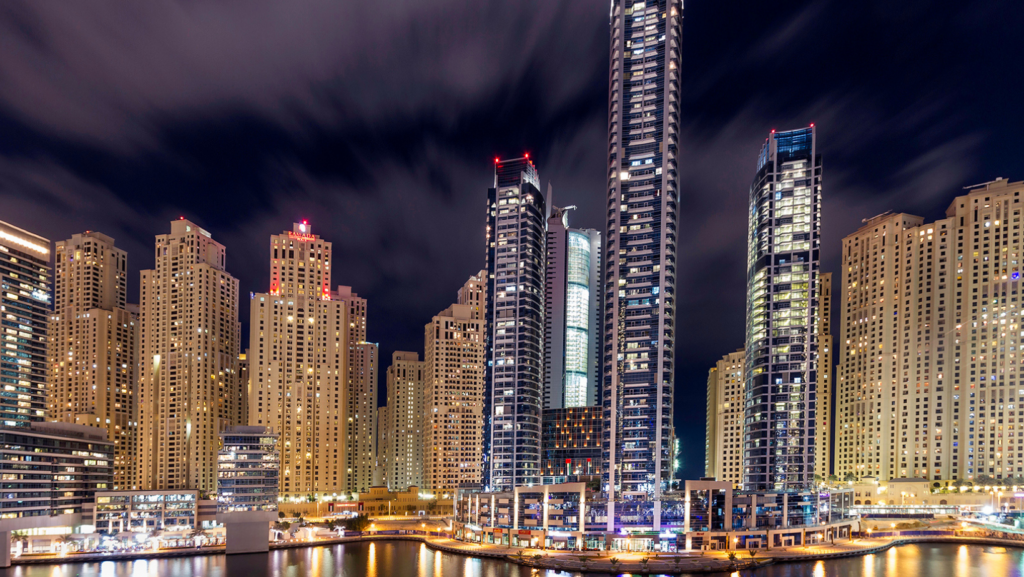
Jumeirah Lake Towers (JLT) & Dubai Marina
- Upgrading the Stock: JLT has seen a “luxury facelift.” Older towers are being renovated or replaced by ultra-luxury concepts like The Upper House, catering to a crowd that wants the grit of the city with the polish of a 5-star hotel.
- Transit Drivers: Properties within walking distance of the Dubai Metro or the new Etihad Rail links are seeing a measurable price driver of 10-15% (Source: Sands Of Wealth).
Market Realities: Is it Still a Good Time to Buy?
It is important to be direct: the double-digit surges of 2023 and 2024 are behind us. In 2026, price appreciation is forecast to moderate to 5-8%.
However, for a luxury buyer, this is actually positive. The market has transitioned from speculation (flipping paper) to end-user demand (buying to live).
- Rental Yields: Dubai apartments still offer gross yields of 6.5% to 7.5%, roughly double what you would find in London or New York (Source: Engel & Völkers).
- Population Growth: With Dubai adding roughly 175,000 to 225,000 residents annually, the demand for “Ready-to-Move” luxury apartments is currently outpacing the actual delivery of quality units.
Final Thoughts for the Investor
When searching for the best areas to buy luxury apartments in Dubai, do not just look at the marble, look at the lifestyle. The real “capital appreciation” in 2026 is found in projects that solve the problems of modern living: stress, lack of time, and environmental disconnection.
Whether it is the branded prestige of Business Bay, the beachfront scarcity of the Palm, or the green wellness of Dubai Hills, the best investment is the one that someone will want to live in ten years from now.
If you want to find your ideal property in Dubai, get in touch with experts at rd-dubai.com for advice and exclusive opportunities..
Frequently Asked Questions
Which area in Dubai has the highest price per square foot in 2026?
As of early 2026, Jumeirah Bay Island remains the most expensive residential area, followed closely by Palm Jumeirah and Downtown Dubai.
Are branded residences worth the premium?
Yes, for many investors. Branded residences typically offer higher resale liquidity and a 25%+ rental premium because they carry a global standard of service and maintenance that unbranded buildings often lack.
What is the average rental yield for luxury apartments in 2026?
Luxury apartments in prime Dubai areas currently deliver gross rental yields between 6.3% and 7%. While lower than the 8-10% seen in affordable segments, they offer much higher capital appreciation potential.
How much supply is coming to the luxury market in 2026?
Approximately 120,000 new residential units are scheduled for delivery in 2026 across Dubai. However, only a small fraction of these are in the “Ultra-Prime” category (waterfront or branded), which keeps prices in those segments stable.
What is the “wellness” trend in Dubai real estate?
It refers to a shift in architectural design that prioritizes natural light, air purification systems, terrace gardens, and immediate access to fitness facilities and green parks. Communities like Dubai Hills Estate are the leaders in this trend.